The Aluminum Castings Process: From Concept to Creation
The aluminum casting process is a fundamental process for creating complex parts in numerous industries. The process involves shaping molten aluminum into precise shapes through proven methods like sand, die, and investment casting. Each approach delivers unique benefits based on the required detail and volume. Grasping the intricacies of this method is essential for companies pursuing excellence and performance. Nevertheless, issues including defects and material choices are still key concerns in reaching excellent performance.
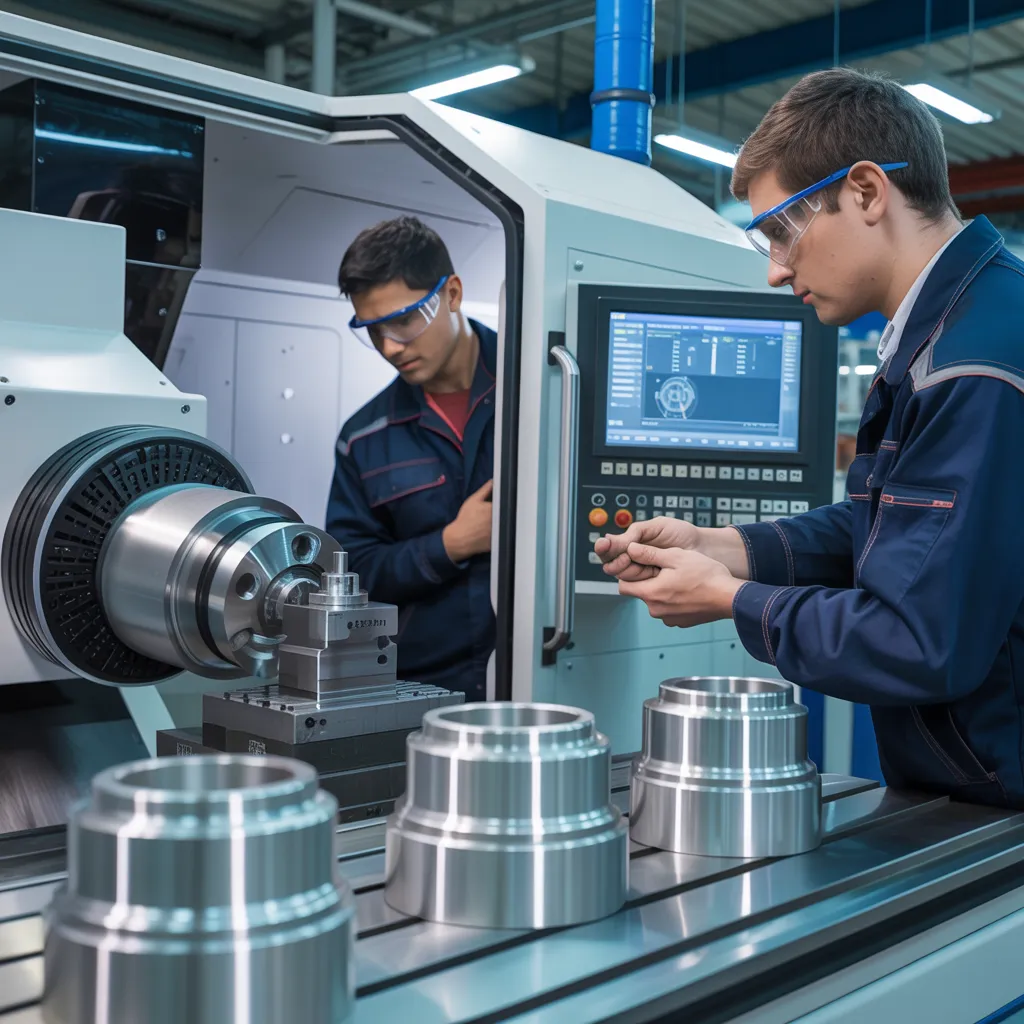
Understanding Aluminum Casting: What It Is and Why It Matters
Aluminum casting is an indispensable manufacturing process that converts molten aluminum into diverse shapes and parts. This method holds an important place in various industries, including the automotive, aerospace, and consumer goods sectors, due to aluminum's beneficial attributes including its light weight, strength, and resistance to corrosion. By transforming aluminum into detailed and precise forms, producers can create components that satisfy particular design and performance criteria.
The importance of aluminum casting lies not only in its capability of forming sophisticated forms but also in its effectiveness. The process often reduces material waste and enables rapid production cycles, which is critical in a demanding marketplace. Furthermore, aluminum castings lend themselves to simple recycling, advancing eco-friendly practices in the manufacturing sector. Grasping the principles of aluminum casting is critical for organizations looking to evolve and improve product capabilities, making it a foundational element in current industrial manufacturing standards.
Fundamental Aluminum Foundry Approaches: Sand, Die, and Investment
Casting methods serve a vital function in forming aluminum into usable parts, with three main techniques leading the field: investment casting, sand casting, and die casting. Sand casting involves creating a mold from sand, enabling the production of intricate shapes and dimensions, making it well-suited for small-batch manufacturing. This method is cost-effective and versatile, although it can result in a less refined surface texture.
Die casting, alternatively, makes use of high-pressure injection to push liquid aluminum into a metal die, yielding accurate dimensions and refined surfaces. This process is well-suited for large-scale production, offering outstanding consistency and structural durability.
Investment casting, also known as the lost-wax method, requires the creation of a wax model coated in a ceramic coating. Once the wax is melted away, liquid aluminum is cast into the mold, producing intricate designs with remarkable accuracy. Each approach delivers unique benefits, accommodating diverse industrial needs and uses in the aluminum casting sector.
What Occurs Throughout the Aluminum Casting Process?
The aluminum casting method begins with melting the metal at high temperatures until it becomes molten. This molten aluminum is then poured into a pre-prepared mold, which may be constructed from a variety of materials depending on the casting technique employed. As the aluminum occupies the mold, it assumes the intended shape. When the metal has fully cooled and solidified, the mold is taken away, exposing the finished aluminum casting.
After casting, the part goes through a number of finishing processes, such as surface treatment, trimming, or machining, to attain the desired specifications and quality standards. Inspection for defects like air pockets or inclusions is also critical at this point to confirm the reliability of the end product. The entire process demands accurate temperature regulation and timing to deliver the best possible results, enabling the final aluminum casting to satisfy specific engineering criteria and performance benchmarks.
Choosing the Right Materials for Aluminum Castings
Determining the correct material options for aluminum casting applications entails a careful analysis of several elements. Essential considerations encompass the core characteristics of the materials, particular use case needs, and economic viability. Recognizing these elements is necessary for attaining optimal results and proficiency in the casting process.
Material Properties Summary
Choosing the appropriate materials for aluminum castings is vital for guaranteeing peak durability and performance of the end product. Multiple aluminum alloys are accessible, each featuring unique properties such as strength, corrosion resistance, and thermal conductivity. Frequently used options are 356 and 319 alloys, recognized for their superior casting characteristics and mechanical properties. The selection process must consider factors like the designated purpose, environmental conditions, and weight requirements. Moreover, the fluidity and melting point of the aluminum alloy serve a significant purpose in the casting process, impacting the capacity to fill intricate molds. Ultimately, understanding these material properties helps manufacturers in selecting the best alloy, resulting in improved durability and performance of the aluminum castings.
Considerations for Specific Applications
When assessing materials for aluminum castings, it is critical to align the selection with specific application requirements. Considerations including mechanical strength, corrosion resistance, and thermal conductivity significantly influence determining the most suitable alloy. For instance, components operating in harsh environments may require superior corrosion protection, while those under mechanical stress might be better served by alloys with enhanced strength. Furthermore, considerations regarding weight and thermal properties are critical for applications in aerospace and automotive industries. Recognizing the working conditions and desired performance criteria allows engineers to choose the ideal alloy, ensuring both functionality and longevity. In the end, the right material selection improves performance while supporting the overall success of the casting application.
Factors Affecting Cost-Effectiveness
A detailed analysis of financial efficiency is critical for optimizing material selection in aluminum castings. Variables impacting this analysis include raw material costs, processing expenditures, and the intended use. Advanced strength alloys might incur higher initial expenses but can provide long-term savings through lighter construction and improved longevity. Additionally, design complexity and production volume are essential considerations; simpler designs often reduce manufacturing costs, while higher volumes can validate the investment in premium materials. It is also crucial to copyrightine the trade-offs between performance and cost, ensuring that the selected materials satisfy both financial and operational needs. At the end of the day, a well-rounded strategy that matches project specifications will boost overall cost-effectiveness in aluminum casting production.
Advancements in Aluminum Casting Technology
Advancements are revolutionizing the landscape of aluminum casting processes, promoting sustainability and efficiency in industrial workflows. One notable trend is the incorporation of sophisticated robotics and automation, which enhance precision and reduce human error. Moreover, the utilization of additive production methods is growing in prominence, facilitating intricate designs that standard approaches fail to accomplish. These innovations not only accelerates manufacturing cycles but also decreases production waste, advancing eco-friendly initiatives.
The adoption of simulation software for casting processes has become widely adopted, helping manufacturers streamline operations before physical production. Moreover, recycling and closed-loop systems are increasingly emphasized, supporting resource conservation and lowering environmental footprint. Improved alloy compositions are being engineered to enhance durability and corrosion resistance, addressing varied industrial needs. As these trends unfold, the aluminum casting industry shifts toward a greener and more innovative direction, consistently enhancing product quality and overall efficiency.
Diagnosing Typical Issues in Aluminum Casting
Within the aluminum casting process, numerous defects may occur, affecting the quality of the finished product. Detecting these typical defects is critical for manufacturers seeking to maintain high standards. Effective solution strategies can considerably minimize these challenges, promoting enhanced casting performance.
General Defects Overview
Numerous imperfections can emerge during the aluminum casting process, impacting the quality and performance of the final product. Notable concerns include porosity, which results from gas pockets within the metal, causing weak spots. Contraction defects form as the aluminum cools down and contracts, potentially causing hollow cavities. Misrun defects occur when the metal cannot completely fill the casting mold, while cold shuts develop where two streams of molten metal fail to fuse properly. In addition, surface defects, such as sand inclusion or rough finishes, can undermine visual quality and operational function. Recognizing these flaws is vital for foundry operators, as they can substantially diminish operational efficiency and structural integrity in the ultimate applications of aluminum cast products.
Effective Solutions Strategies
While challenges in aluminum casting are commonplace, applying effective solutions can significantly improve product quality. Recognizing the root causes of common defects, including porosity and shrinkage, is critical. For instance, optimizing pouring temperatures can mitigate gas entrapment, while applying a regulated cooling rate helps minimize shrinkage. Additionally, using high-quality raw materials guarantees consistency and reduces the risk of impurities. Regular maintenance of molds and equipment prevents wear-related issues, further improving casting integrity. Applying advanced approaches, such as vacuum or pressure casting, can further tackle specific challenges. Finally, fostering a culture of continuous improvement through training and feedback helps teams adapt and innovate, consequently resulting in superior-quality aluminum castings and greater customer satisfaction.
Questions We Often Receive
What Are the Ecological Effects of Aluminum Casting?
Aluminum casting significantly affects the environment through carbon emissions, high energy usage, and the extraction of raw resources. Moreover, the procedure produces significant waste and can contribute to pollution of air and water sources, negatively influencing ecosystems and human health adversely.
What Are the Best Ways to Guarantee Quality in My Aluminum Castings?
To secure high standards in aluminum cast parts, it is essential to implement strict inspection procedures, employ premium raw materials, copyright precise temperature control during the melting process, and incorporate advanced methods like computer simulations see this article for design verification and defect prevention.
What Industries Commonly Use Aluminum Castings?
Aluminum castings are commonly utilized in various industries, including aerospace, automotive, electronics, and consumer goods. Their corrosion-resistant and lightweight characteristics make them ideal for applications that prioritize efficiency and durability in production processes.
Can Aluminum Castings Be Recycled?
Indeed, aluminum cast components can undergo effective recycling. This recycling method retains the material's properties, making it a sustainable choice for a wide range of industries. Recovered aluminum is commonly reused for new casting applications, lowering environmental consequences.
What Safety Protocols Should Be Followed During Aluminum Casting?
In metal casting, safety measures include donning safety equipment, ensuring proper ventilation, keeping machinery in good condition, utilizing heat-proof equipment, and putting emergency plans in place. Regular training and compliance with safety standards minimize dangers related to extreme-heat procedures.